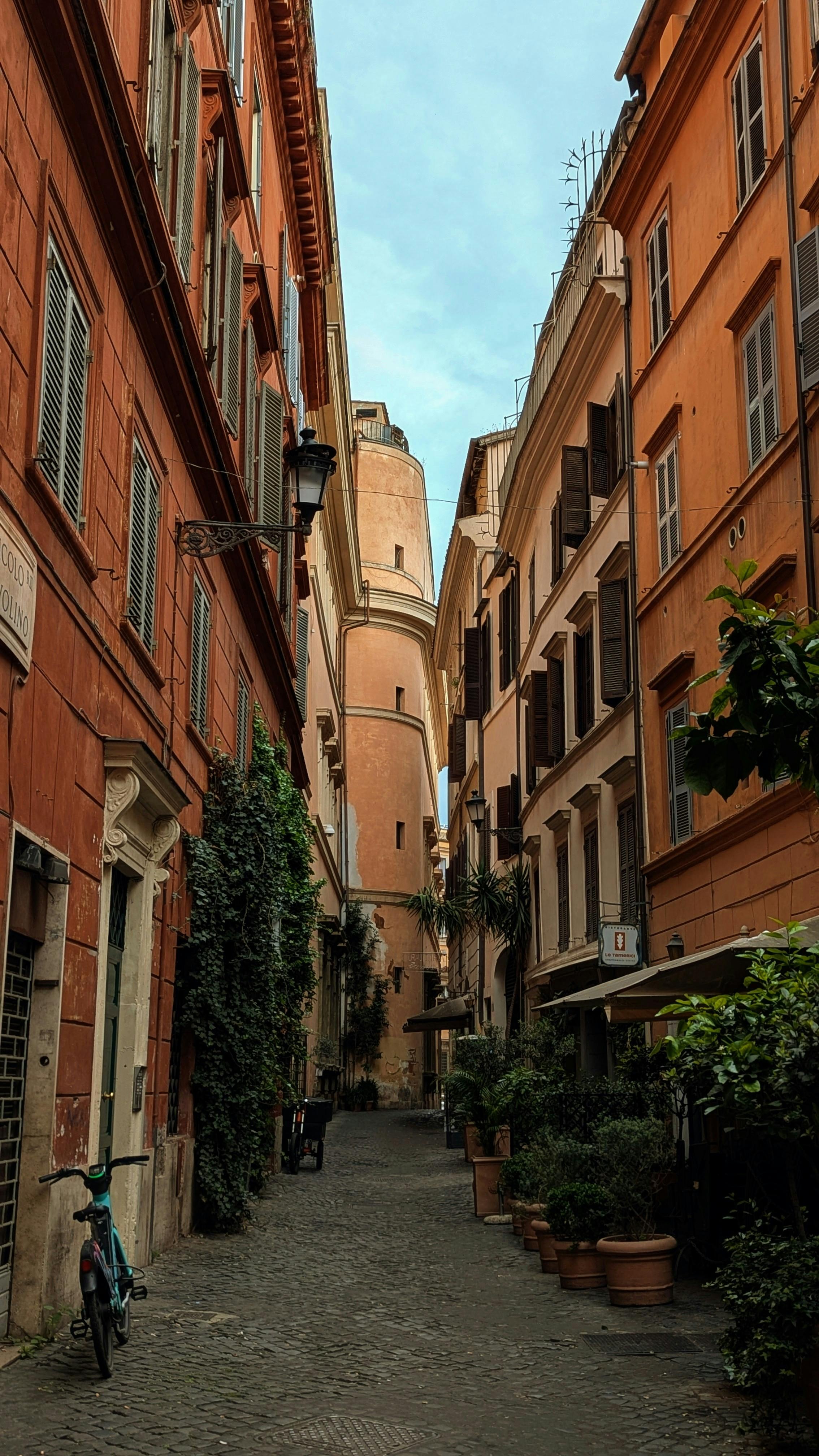
Italy continues to attract international residents seeking lifestyle quality, family roots, retirement options, and remote-work flexibility. This guide covers everything from choosing the right visa to your first-month practical checklist.
Already an Italian citizen or applying? If you hold or are applying for Italian citizenship by descent, you can live in Italy indefinitely without a visa. See our apply in Italy guide for how to combine relocation with your citizenship application.
Step 1 — Choosing the Right Visa
Many non-EU nationals can visit Italy for up to 90 days under Schengen rules, but longer stays require the correct long-stay visa (Visto Nazionale) obtained through the Italian authority responsible for your country of residence before departure.
Elective Residency Visa (ERV)
For retirees and those with passive income (investments, pensions, rental income). No working in Italy permitted. Income requirement: approximately €31,000/year for a single person (2026 rates). Most popular option for U.S. retirees.
Digital Nomad / Remote Work Visa
Italy introduced a formal Digital Nomad Visa in 2024 for non-EU citizens working remotely for non-Italian employers. Income requirement: approximately €28,000/year. Must hold a stable remote work contract or proven self-employed status.
Work Visa (Nulla Osta)
Requires a sponsoring Italian employer and is subject to the annual quota system (decreto flussi). Much harder to obtain than other options. Most valid for international transfers within multinationals.
Freelancer / Self-Employed Visa
For independent contractors and freelance professionals. Requires proof of income, clients in Italy or established overseas client base, and registration with a professional order where applicable.
Important: Long-stay visas must be applied for before you leave the U.S. You cannot convert a tourist visa into a long-stay visa while already in Italy. Apply at your Italian Consulate 3–6 months before your planned move date, as processing times vary significantly by jurisdiction.
Step 2 — The Bureaucratic First Steps
Get your Codice Fiscale
Italy's equivalent of a Social Security Number. Required for opening a bank account, signing a lease, visiting a doctor, or doing almost anything official. Apply at the Agenzia delle Entrate with your passport. Usually issued same-day.
Apply for your Permesso di Soggiorno
Within 8 working days of arriving in Italy, apply for your Permesso di Soggiorno (permit to stay) at the local questura. You can pick up the "kit postale" (postal kit) at any post office and submit via the Post Office counter, which then forwards to the questura. Required for all non-EU stays over 90 days.
Register your residency (Iscrizione Anagrafe)
Register your Italian address at the local Comune (Ufficio Anagrafe). This gives you access to local healthcare (SSN), voting rights, and many other services. The Comune will send a civil servant to verify your residence — usually within 30–45 days.
Open an Italian bank account
Most services — utility bills, landlord payments, health service registration — require an Italian bank account. Bring your passport, Codice Fiscale, Italian address proof, and Permesso receipt. Online banks (Fineco, Buddybank) have easier remote processes than traditional banks.
Register with the Servizio Sanitario Nazionale (SSN)
Once you have residency, register with your local ASL (Azienda Sanitaria Locale) for public healthcare coverage. You will be assigned a family doctor (medico di base). Most prescription medicines and specialist visits are subsidised significantly.
Cost of Living Comparison — USA vs Italy
Italy offers a considerably lower cost of living than major U.S. cities, particularly in smaller cities and southern regions.
| Item | Italy (avg) | USA Major City (avg) |
|---|---|---|
| 1-bed flat, city centre rental | €700–€1,200/mo | $2,000–$4,000/mo |
| Monthly grocery bill (single) | €200–€300 | $350–$500 |
| Dinner out (restaurant, no alcohol) | €12–€18 | $20–$35 |
| Monthly public transit pass | €30–€45 | $90–$130 |
| Doctor's visit (public) | €0–€20 co-pay | $150–$300+ |
| Internet (fibre, 1GB) | €25–€35/mo | $60–$100/mo |
Where in Italy to Live
Region matters significantly for cost of living, lifestyle, and bureaucratic efficiency:
- Umbria & Le Marche: Most popular with American movers; beautiful hill towns, lower costs, easy access to Rome and Florence, smaller expat communities
- Abruzzo: Budget-friendly, mountain and beach combination, fewer English speakers
- Puglia & Sicily: Warm climate, low costs, rich food culture, increasing expat presence
- Tuscany: Highest quality of life, but significantly higher housing costs and more tourism-driven prices
- Milan: Business hub, closest to Northern European standards of service and efficiency — but costs approach major U.S. city levels